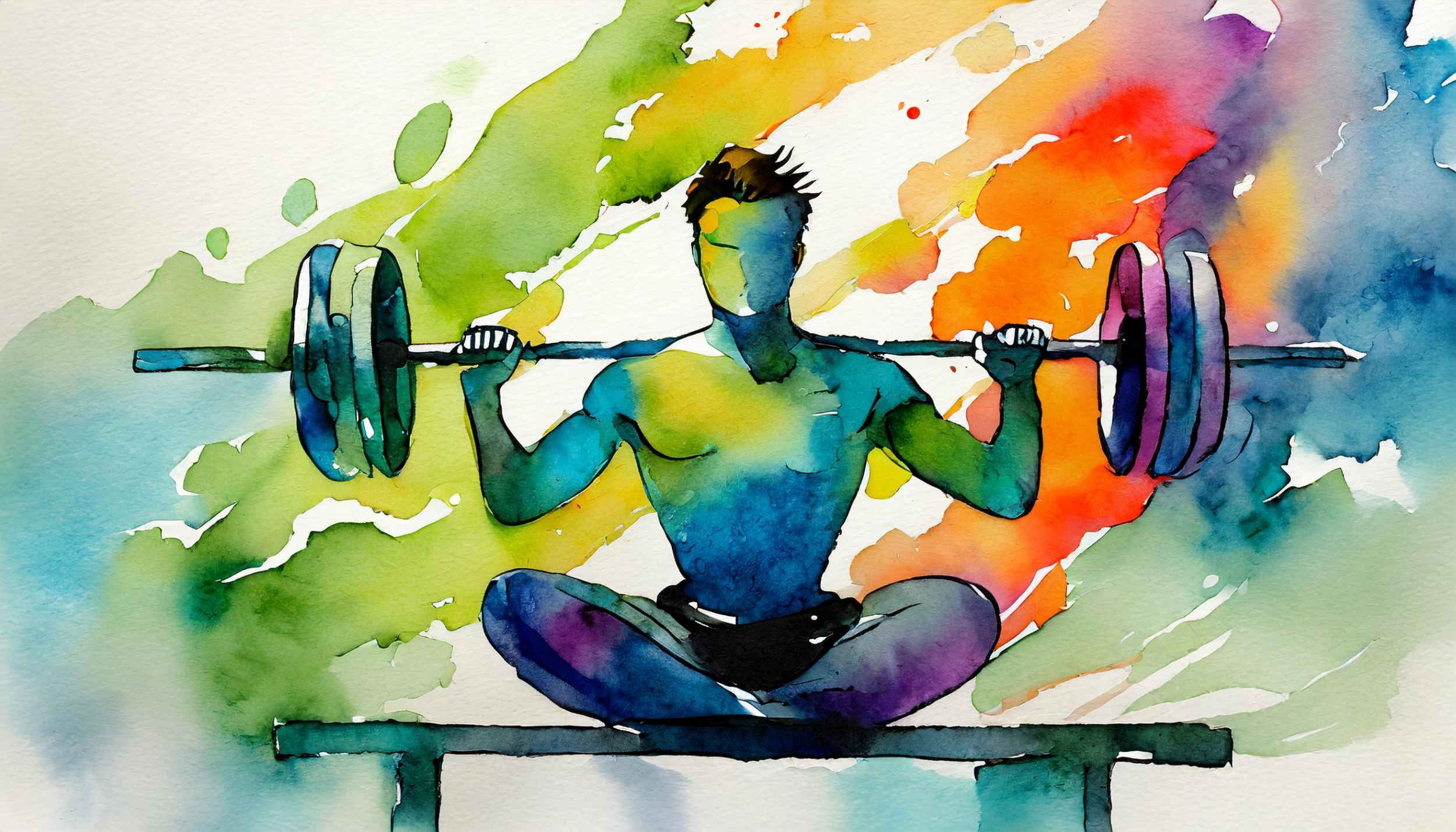
One of the harder to accept realities of this life is that improvement in any skill takes hard work and suffering. We’ve all felt the strain of muscles as they push against heavy weights, or the burn of our lungs on rough hikes, and we have all learned that while the strains and burns are unpleasant, they represent growth of strength and endurance. The more we are willing to suffer through the struggles of training, the better prepared we will be when we face future fitness challenges.

And, yet, when it comes to difficult emotions, we turn away. If anything unpleasant happens we try to ignore the accompanying emotions, to push them down or drown them out. But, what if the process for preparing our minds for future challenges is no different than the process for preparing our bodies? What if when sadness rears its unpleasant head we are meant to face it directly–to feel it and to work through it, to strain against it like we would curling a thirty-pound dumbbell? What if when anger rears its ugly mug, we aren’t meant to push it away, but are meant to let it slowly burn its way through us as we practice restraint and healthy release habits?
We all know life is going to be hard–we will all suffer loss and loneliness, we will all feel the bite of rage. So, we need to prepare ourselves for those moments by putting in our reps on the easier/lesser trials life throws our way. Then, when the unthinkable tragedies happen, we will be better prepared to manage them.
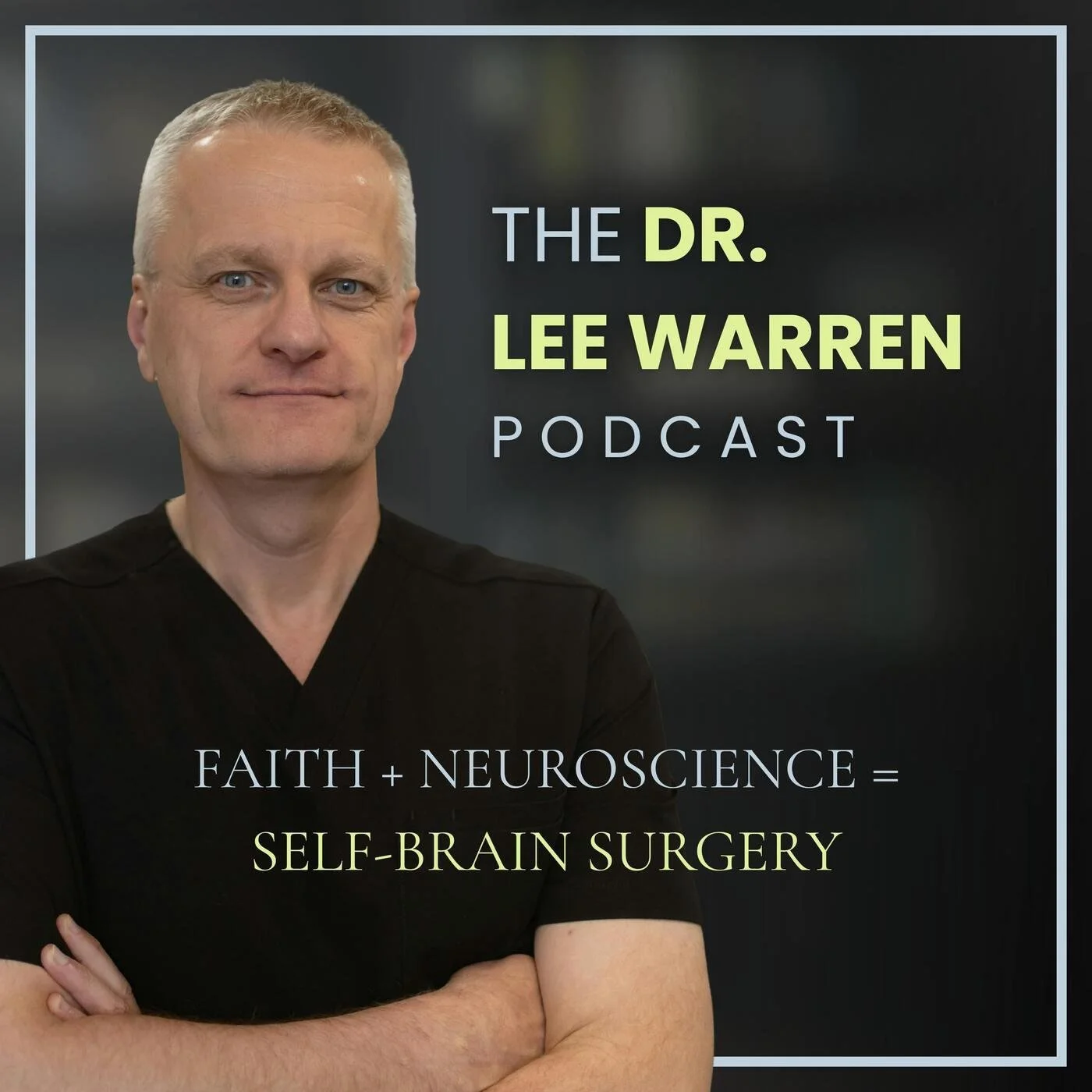
There is an award-winning neurosurgeon, Iraq war veteran, and author named Dr. Lee Warren who speaks openly about the loss of his 19-year-old son, Mitch, in a tragic murder/suicide. Dr. Warren now teaches on how neuroscience and faith connect to help people heal. He said the following:
“There are lots of people who have gone through something like losing a child–like we have–who get really stuck. A lot of people that deal with hard things lose this drive and the ability to break through and come back alive again. There is an area of your brain that is called the mid-anterior-cingulate, which is this gray matter right in the center part of your brain. It acts kind of like a gear shift and it just can’t move forward sometimes. If you’ve been through something really hard, you can get stuck in neutral and you can’t seem to move. The problem is we start to think that something is too scary or too hard because of that loss we’ve been through and we think that if we go through something hard again that we won’t be able to survive it because it hurt so much the first time.
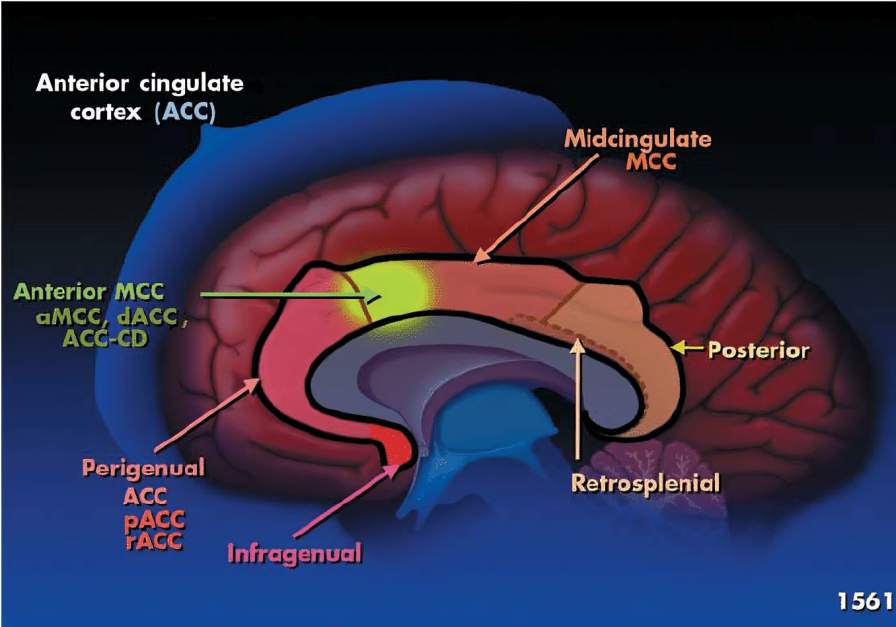
“But, what we’ve learned in neuroscience now is that when you force yourself to go forward even when you don’t feel like it–when you face that hard thing and you step forward anyway–the mid-anterior-cingulate comes out of neutral and it puts you in gear again. If you can muster just enough strength to do something–even something small–when you don’t feel like it, your mid-anterior-cingulate gets more robust. When you’re suffering, when you’re grieving, when you’re hurting, get out of bed anyway, text that person in your family and tell them you want to come out of the house and meet for coffee again. What we’ve learned just in the last few years that’s really stunning is that any sort of positive movement you can make makes you more equipped the next time. It’s like your brain remembers that you’re capable of doing hard things even when you don’t feel like it. And then you get better at doing hard things, any sort of hard thing that you need to do.
“What we learned is that suffering really does produce endurance. Learning how to go through hard things equips you and prepares you for the next hard thing. And so what the Bible said all along is true: don't shy away from hardship when you’re in it. Step forward into it and God will neurologically equip you to handle it more appropriately in the future.”
Our brains, like our muscles, respond to repeated actions. The more times we go to the gym and squat 300 pounds of weight, the easier it will be in the real world when we have to carry an injured loved one to safety. The more times we force ourselves to get out of bed, to shower, to go to work, to do things we don’t want to do even when our emotions are crying out against doing it, the more successful we will be at continuing to press forward through life when tragedy strikes.
Romans 5:1-5 (NIV) says, “Therefore, since we have been justified through faith, we have peace with God through our Lord Jesus Christ, through whom we have gained access by faith into this grace in which we now stand. And we boast in the hope of the glory of God. Not only so, but we also glory in our sufferings, because we know that suffering produces perseverance; perseverance, character; and character, hope. And hope does not put us to shame, because God’s love has been poured out into our hearts through the Holy Spirit, who has been given to us.”
Once we get adopted into God’s family as His children through accepting Jesus’s payment for our sins, God starts to treat us as a loving father would. He’s not one of those fathers who spoils his children by pampering them until they become helpless and useless with un-appealing personalities and bad character. He’s a father who gives His children chores, who teaches them the value of a hard day’s work, who shows them how to sweat and strain–all while working alongside us and calmly guiding us. God wants us to become salt and light to the world, to stand out as people who others look up to, to have the kind of wisdom that blesses everyone we come in contact with, to be representatives of Christ to the world around us. We can’t do that if we are spoiled rotten. We can’t become people of upstanding character unless our character gets stretched, unless we grow–and we grow by facing challenges.
The little trials life sends our way shouldn’t be viewed as hazards or bad luck, but, instead, should be approached as opportunities to practice endurance and to improve our minds. If we don’t face down discomfort and learn from it and grow through it, then how will we be ready if and when life throws something even harder at us? God knows what we need. God knows what we will have to be prepared to face. Instead of asking, ‘Why did this happen to me?’ Ask, ‘What can I learn from this?” Trials are going to come, we might as well make good use of them.
“God knows what we need. God knows what we will have to be prepared to face. Instead of asking, ‘Why did this happen to me?’ Ask, ‘What can I learn from this?” ”
God doesn’t like that humans have used our free will to bring sin, pain, and evil into our world. But, He is capable of pulling some good out of the pain and He wants to walk with us through the hard times. As Romans 8:28 (NIV) says, “And we know that in all things God works for the good of those who love him, who have been called according to his purpose.” Trust God and lean into His lessons, even when it is hard.
Pastor Chuck Swindoll addressed this phenomenon in his “Insight for Living” broadcast titled “Praying for Others: A Must, Part 2”:
“Phillipians 1:29 (NIV) says, ‘For it has been granted to you on behalf of Christ not only to believe in him, but also to suffer for him.’ I emphasize this verse a lot because I don’t believe we inform new Christians of that truth. I think we leave a lot of them with the impression that if we just come to know Christ, all or most of our problems will be solved. But the Bible doesn’t teach that. It teaches that it is not only for us to believe but to suffer. I’ve never met a Christian that had depth who hadn’t suffered. I’ve never met a Christian who was generous who hadn’t suffered. I’ve never met a Christian whose life had really counted for Christ who didn’t know–on a rather regular basis–suffering, hardship,–to use the words of this passage–affliction.”

We have cultivated a culture whose goal is to end suffering as quickly as possible. It feels counterintuitive and cruel to wish for people to face their struggles head on rather than wishing they’d get to go through life without any problems. We cringe away when we hear of people struggling. We want to remove the trials and offer them unending comfort. But, maybe we are wrong. Maybe we should encourage them to lean in to the trials and figure out how to best use them to grow.
Chuck Swindoll continued in his message by pointing out the way Paul the Apostle prayed for other believers–he’s specifically referring to the book of Philippians.

“Paul first prays that God would–in His estimation–find them worthy of such a calling. He doesn’t pray that their pain will stop. He doesn’t pray that their suffering and affliction would end. You see, that’s what we, in our flesh, pray for. As soon as we know someone is hurting we pray that the hurt would stop. Soon as we discover that one of our own is going through a difficult time we pray that they’ll be relieved of it. But, you don’t always have Biblical justification for that kind of prayer. Never once in this passage does Paul pray, ‘Lord take away the affliction they are going through.’ He prays, ‘May they see their way through it. May they grow by leaps and bounds. May the Lord look upon their responses and say, ‘Worthy. Now that is a worthy member of my kingdom.’ Try that mentality the next time one of your own goes through a time of suffering. It will change your whole perspective. We want relief; God wants deepening of character. We want out; God wants us through. We want to say, ‘It’s over’; God wants to say, ‘It worked.’ And when we pray (communicate with God throughout our struggles) then it all makes sense.”
It helps to consider what the purpose of our lives is.
Is the purpose just to hang out in the world until we accept Jesus as our Savior? No, God created us to have a relationship with us, so salvation and adoption into God’s family as His children is just the beginning. Relationships are built through spending time together, through experiencing life together. We get to know God better when we face the struggles of life with Him by our side, turning to Him for help throughout it all. And, when we do that, we also begin to be effective representations of Christ to the rest of the world, which brings glory to God.
“We get to know God better when we face the struggles of life with Him by our side, turning to Him for help throughout it all. And, when we do that, we also begin to be effective representations of Christ to the rest of the world, which brings glory to God.”
2 Thessalonians 1:11-12 (NIV) says, “With this in mind, we constantly pray for you, that our God may make you worthy of his calling, and that by his power he may bring to fruition your every desire for goodness and your every deed prompted by faith. We pray this so that the name of our Lord Jesus may be glorified in you, and you in him, according to the grace of our God and the Lord Jesus Christ.”
Chuck Swindoll said, “Notice the purpose of it all: in order that the name of our Lord Jesus may be glorified in you. Blessed be the name of the Lord. Do you know a good synonym for ‘name’? Reputation. That as a result of what you go through, God's reputation will be in lights. People will look back and say, ‘My, didn’t God get glory out of that? Wasn’t God obvious in that action?’ You can’t become a great worker for the Kingdom of God, or people who walk by faith if you don’t go through suffering that forces you to depend on God. The more you learn to depend on God, the more your faith will be stretched and your muscles of trust will grow and the Gospel will spread.”

Christians are called to reach the lost and hurting. How can we do that if we have never suffered as the lost and hurting do? Even God, Himself, came down to earth and allowed Himself to experience suffering. This lets us know that He can relate to us in our pain.
Hebrews 4:15 (NIV) says, “For we do not have a high priest who is unable to empathize with our weaknesses, but we have one who has been tempted in every way, just as we are—yet he did not sin.”
We are meant to view life in the same way Christ did–to have His same mindset.
Philippians 2:5-8 (NIV) says, “In your relationships with one another, have the same mindset as Christ Jesus: Who, being in very nature God, did not consider equality with God something to be used to his own advantage; rather, he made himself nothing by taking the very nature of a servant, being made in human likeness. And being found in appearance as a man, he humbled himself by becoming obedient to death—even death on a cross!”
As a human Jesus faced rejection, betrayal, and persecution, culminating in the agony of the cross. This shows us that He knows physical, emotional, and spiritual pain. Jesus wept over Jerusalem (Luke 19:41) and at the grave of Lazarus (John 11:1-44). This shows us He has compassion for human suffering and loss. And we can see clearly that Jesus’ suffering was purposeful–it led to salvation for humanity. This is the ultimate demonstration of how meaning and hope can come through pain.

Furthermore, we don’t have to be alone in our suffering. God wants us to turn to Him throughout everything we face.
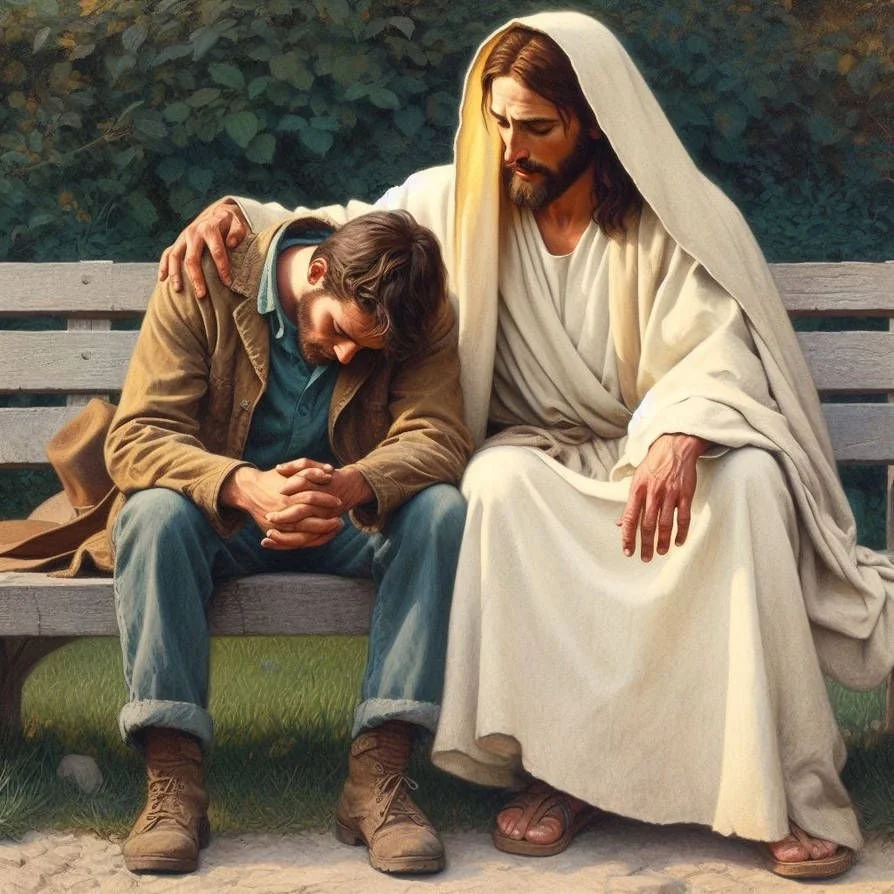
1 Peter 5:7 (NIV) says, “Cast all your anxiety on him because he cares for you.”
Psalm 34:18 (NIV) says, “The Lord is close to the brokenhearted and saves those who are crushed in spirit.”
And we know that we can approach God with confidence, knowing He understands our weaknesses and offers grace, peace, and rest.
Hebrews 4:14-16 (NIV) says, “Therefore, since we have a great high priest who has ascended into heaven, Jesus the Son of God, let us hold firmly to the faith we profess. For we do not have a high priest who is unable to empathize with our weaknesses, but we have one who has been tempted in every way, just as we are—yet he did not sin. Let us then approach God’s throne of grace with confidence, so that we may receive mercy and find grace to help us in our time of need.” (Also see Ephesians 3:12-13; Hebrews 10:19-22; Romans 8:15-16).

Always remember that this life is only a small blip compared to eternity. Death is not the end of our existence. Suffering will not last forever. God has told us how it will all end, and, no matter what we face during this life, thanks to Christ’s sacrifice on the cross, believers can find solace, strength, and hope as we lean on God, allow Him to stretch us and grow us, and look towards our future–becoming people who live in peace in every circumstance.
John 16:33 (NIV) says, “I have told you these things, so that in me you may have peace. In this world you will have trouble. But take heart! I have overcome the world.”
This series of blog posts titled, “Holding on to Reason”, is named after Amanda’s favorite C.S. Lewis quote: “Faith is the art of holding on to things your reason has once accepted, in spite of your changing moods.”